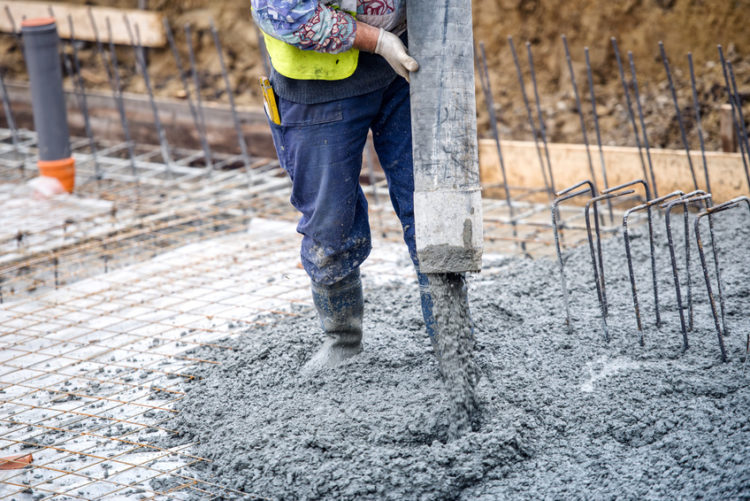
Concrete is a versatile and durable material used in various construction projects. Whether working on a driveway, patio, or foundation, pouring concrete requires precision and care to achieve the desired results. However, many DIY enthusiasts and even some professionals make avoidable mistakes that can compromise the integrity and longevity of the concrete. Let’s explore five common mistakes to avoid when working with concrete.
1. Inadequate Site Preparation
Haphazardly preparing the site can lead to a slew of issues down the line. Before pouring concrete, ensure the ground is properly compacted and leveled. Clear away any debris, rocks, or organic matter that could interfere with the concrete’s stability. Additionally, install appropriate forms or barriers to contain the concrete and prevent it from spreading beyond the desired area.
2. Incorrect Mixing Ratios
The quality of your concrete largely depends on the accuracy of the mixing process. Using the wrong proportions of cement, aggregate, and water can result in weak, crumbly concrete that won’t hold up over time. Additionally, it’s best to invest in a reliable concrete mixer and follow the manufacturer’s guidelines meticulously. Remember to aim for a homogeneous mixture that’s neither dry nor wet for optimal results.
3. Improper Curing Techniques
Neglecting proper curing can undermine the strength and durability of the concrete. After pouring, it’s essential to protect the surface from drying out too quickly or being exposed to extreme weather conditions. Implement curing methods such as covering the concrete with plastic sheeting, applying curing compounds, or regularly misting it with water. Adequate curing ensures that the concrete achieves its maximum strength and resilience.
4. Ignoring Expansion Joints
Overlooking expansion joints can lead to unsightly cracks and structural issues over time. Concrete expands and contracts with temperature changes and moisture fluctuations, which requires the addition of expansion joints to accommodate these movements. Failure to incorporate expansion joints can result in stress buildup and eventual cracking. Strategically place expansion joints according to the project’s specifications to prevent future damage.
5. Rushing the Finishing Process
Finishing concrete requires patience and precision to achieve a smooth, uniform surface. Rushing through this crucial step can leave behind imperfections such as bumps, ridges, or trowel marks. Take your time to screed, float, and trowel the concrete properly. Pay attention to details and ensure an even finish. Finally, consider using additional tools like edgers and jointers to refine the edges and create clean lines.
Hire a Professional Contractor for Peace of Mind!
When it comes to pouring concrete, attention to detail is paramount. By avoiding these common mistakes, you can ensure a successful outcome for your project. However, for complex or large-scale endeavors, it’s often best to enlist the expertise of a professional contractor. Their experience and knowledge can help clients navigate challenges and deliver superior results. Whether it’s a small patio or a commercial development, entrust your concrete projects to the experts. Don’t hesitate to contact a trusted contractor for assistance with your concrete needs.