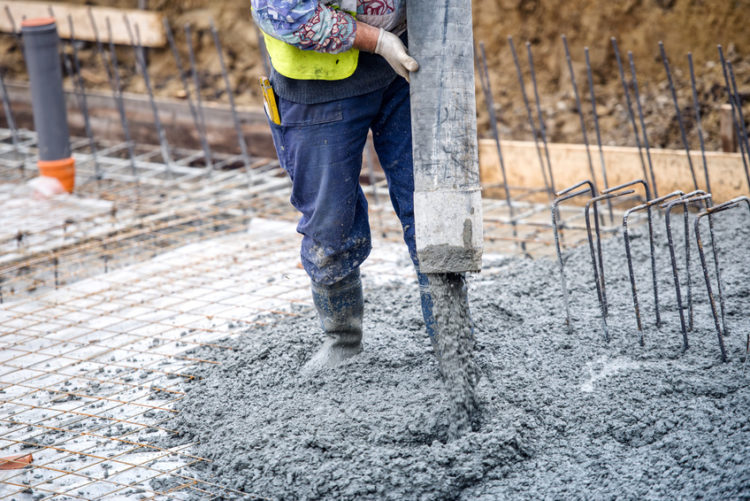
Pouring concrete may seem like a straightforward task, but it’s a process that requires careful planning, precision, and attention to detail. Whether you’re working on a small DIY project or overseeing a large-scale construction endeavor, avoiding common mistakes can save you time, money, and headaches in the long run.
To help you achieve successful concrete pours, we’ve gathered insights from experienced contractors who have encountered and overcome these pitfalls. Here are five common mistakes to avoid:
1. Poor Site Preparation
Proper site preparation is crucial for a successful concrete pour. Failing to adequately prepare the site can result in uneven surfaces, cracking, and other structural issues. Before pouring concrete, ensure that the site is clear of debris, properly graded, and compacted. Additionally, provide adequate reinforcement such as rebar or wire mesh to support the concrete and prevent cracking over time.
2. Incorrect Mix Proportions
The ratio of ingredients in the concrete mix plays a significant role in its strength and durability. Using incorrect mix proportions can compromise the integrity of the concrete and lead to issues such as low strength, excessive shrinkage, or cracking. It’s essential to follow manufacturer guidelines and specifications when mixing concrete or consult with a professional to determine the appropriate mix for your specific project requirements.
3. Inadequate Control of Water Content
Controlling the water content of the concrete mix is critical for achieving the desired consistency and strength. Adding too much water can weaken the concrete and result in a mix that is prone to cracking and shrinking. Conversely, insufficient water can make the mix difficult to work with and may lead to poor compaction and curing. It’s important to carefully measure and adjust the water content to achieve the optimal balance for the specific application.
4. Improper Placement and Consolidation
Proper placement and consolidation of the concrete are essential for eliminating air pockets and ensuring uniform density throughout the structure. Neglecting to adequately compact the concrete can result in voids, weak spots, and surface defects. Utilize appropriate tools such as vibrators or screeds to consolidate the concrete and achieve proper compaction. Pay close attention to corners, edges, and other hard-to-reach areas to ensure thorough consolidation.
5. Inadequate Curing
Curing is the process of maintaining moisture and temperature conditions to allow the concrete to achieve its full strength and durability. Inadequate curing can result in weak, porous concrete that is susceptible to cracking and damage. Proper curing practices include keeping the concrete moist, protecting it from extreme temperatures, and applying curing compounds or membranes as needed.
Wrapping Up
Avoiding common mistakes when pouring concrete is essential for achieving high-quality results and ensuring the long-term performance of your construction projects. By paying attention to site preparation, mix proportions, water content, placement and consolidation, and curing practices, you can mitigate potential issues and achieve durable, structurally sound concrete structures.
Whether you’re a seasoned contractor or a DIY enthusiast, following these insights from experienced professionals can help you avoid costly mistakes and achieve success in your concrete projects.